
Treating the Biological Trigger: The Role of Hormones in Postpartum Psychosis
The case raises a critical question: What if providers are only treating the smoke while ignoring the fire?


It’s sudden, swift and severe. Within 24 hours after childbirth, a woman’s progesterone and estrogen plummet to the lowest level in her entire lifespan. This hormone “crash” induces a rollercoaster of intense mood swings, anxiety, fatigue and sadness.
Often called the “baby blues,” Postpartum Depression (PPD) affects 1 in 8 new mothers. While symptoms usually dissipate after a few weeks, this drastic biological trigger, when combined with a mental health history, can escalate a woman’s risk of developing Postpartum Psychosis (PPP).
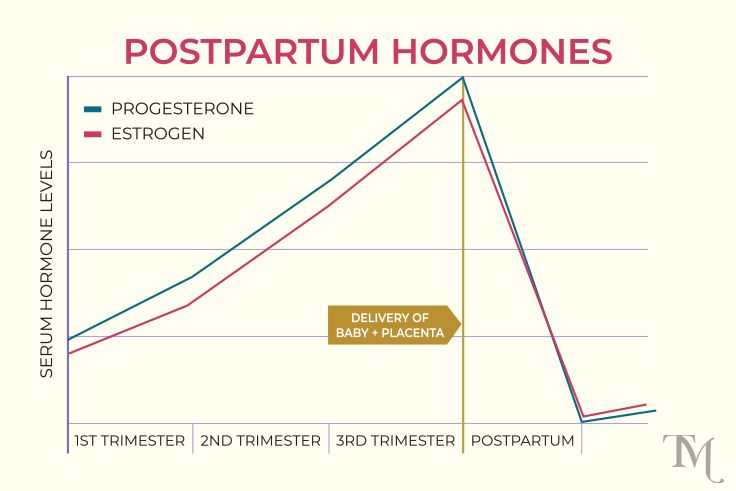
Categorized as a psychiatric disorder, PPP occurs in one to two cases per 1,000 deliveries or 3,600 US mothers each year. Symptoms include extreme anxiety, agitation, confusion, paranoia, disorientation, insomnia, delusions, hallucinations and dysphoric mania. Diagnostics remain complex, with treatments limited to heavy psychotropic drugs.
The Lindsay Clancy case has put this devastating condition in the spotlight, igniting a fierce debate over the risks of polypharmaceutical approaches and the urgent need for more comprehensive medical solutions.
Her defense alleges that over 30 prescriptions filled in varying doses during a three-month window “exacerbated her condition and precipitated a severe psychotic break.”
The case raises a critical question: What if providers are only treating the smoke while ignoring the fire?
65 YEARS OF STUDIES
One critical aspect of the Clancy story hasn’t received much attention: the role of hormones in PPP.
Decades of studies document the link between hormones, behavior and mental health. They show that the sudden nosedive in hormone levels after childbirth acts as a biological catalyst spiking PPP. Additional research details how hormones regulate the neurotransmitters for mood, memory, sleep, fear and stress.
In 1960, Dr. Katharina Dalton conducted extensive studies on hormones and women’s behavior. Her research highlighted a correlation between hormones and behavior, suggesting that fluctuations could lead women to commit crimes. Her 1980 study chronicled the cases of women convicted of manslaughter. Dalton identified the connection between PPP and progesterone deficiency in her 1996 book, Depression after Childbirth.
Numerous studies demonstrate that psychiatric symptoms diminished significantly with hormone replacement therapy (HRT). A 2001 study, “Positive Treatment Effect of Estradiol in Postpartum Psychosis,” showed women were nearly free of psychotic symptoms by the second week of HRT. Discontinuing it led to a swift return of severe psychotic symptoms within one week.
Another study advocates evidence-based hormone interventions alongside antipsychotic treatments.
In light of this research, why is HRT rarely addressed for PPP as an adjunct therapy? Instead, women are given psychiatric drugs that alter hormone and neurotransmitter function in the brain, pushing them into a chemical menopause that amplifies PPP symptoms.
POSTPARTUM PIONEERS
Prior to many studies, one visionary physician was already using HRT to treat postpartum symptoms in the 1980s.
The late Dr. Gino Tutera, MD, FACOG, a medical pioneer who developed the SottoPelle® Method of bioidentical hormone pellet therapy (BHRT), observed the sharp drop in progesterone after delivery. He prescribed it to women with PPD and PPP with positive results.

Tutera co-founded SottoPelle/Tutera Medical® with his wife CarolAnn Tutera, who continues his medical legacy today. They also advocated bioidentical testosterone and estrogen for menopause over 30 years ago before the current social media storm.
Tutera mentored Dr. James Mirabile, MD, NBPS, who delivered over 7,500 babies during 27 of his 39 years as an ob-gyn. The SottoPelle-trained provider and Medical Advisory Board member said he and Tutera used progesterone to treat PPP, observing patients’ symptoms “lift within days.”
“It was life-changing for women,” Mirabile said. “Fix the hormones and they’re different human beings. They didn’t need anti-anxiety drugs; they desperately needed progesterone. We saved mothers, marriages, jobs, relationships and lives with BHRT.”
Is postpartum psychosis a misnomer for postpartum plummeting progesterone? Mirabile explains the connection between hormones and mental health.
“It’s multifactorial,” he said. “Postpartum hormone imbalances disrupt the physiological and neurological processes and can amplify bipolar issues. We owe it to Dr. Tutera for teaching doctors how to treat postpartum, PMS and menopause with BHRT. Medical schools provide no training in this.”
Unanswered questions
While medical and psychiatric providers remain as divided on postpartum as the legal jury, a haunting question lingers: Why wasn’t HRT considered as an adjunct option for Clancy when numerous studies document its positive outcomes for PPP? Could it have alleviated her symptoms and helped prevent disaster?
While science hesitates for more evidence, women continue to suffer.
The postpartum phase, like menopause, isn’t a disease but a natural physiological function. Have we turned women's biology and rites of passage into exacerbated mental illnesses that could be alleviated with the missing hormones proven by studies to restore harmony and balance?
The research was already conducted over 65 years ago. Pioneering physicians like Drs. Tutera and Mirabile already helped countless women with PPP and other hormonal deficiencies over 40 years ago. Bioidentical hormone pellets have been used safely and effectively for 87 years.
While psychiatric medicine serves its role in PPP, why does it isolate treatment to multiple psychopharmacological drugs but exclude hormonal testing and therapy? Integrating targeted HRT with psychiatric protocols doesn’t just manage the crisis; it addresses the underlying biological trigger, opening up a gentler door to recovery.
“We need to pull it back into medicine, educate practitioners and update medical school curricula,” said Dr. Mirabile. “We have the science-based evidence and have already seen how well women with PPP do on BHRT. The Clancy case is a major wakeup call for the medical community, mental health providers, health insurers and federal agencies to collaborate a positive future for the well-being of all womankind.”
Learn more about the SottoPelle® Method for postpartum and mental health.
Related Medical Daily Links:
Boost Your Brain with Bioidentical Hormone Pellet Therapy
Bioidentical Pellet Therapy: A Safe Solution for Menopausal Symptoms
Catherine J. Rourke is a contributor to The Script Pad.
This article is for professional education and does not replace clinical judgment. Treatment decisions should be based on the individual patient and current guidelines.


