

Pimicotinib Gives Tenosynovial Giant Cell Tumor a Third Oral Drug, and the First Taken Once a Day
The FDA approved pimicotinib on Nov. 10 after a 56 percent week-25 response rate, the third CSF-1R inhibitor for TGCT and the only one dosed daily.
Evidence, guidelines, and the judgment calls that never make it into the guideline.
The FDA approved pimicotinib on Nov. 10 after a 56 percent week-25 response rate, the third CSF-1R inhibitor for TGCT and the only one dosed daily.


Pelacarsen cut Lp(a) about 78 percent and ziltivekimab cut hs-CRP, yet both hazard ratios sat near 1.0. Our registry count finds six outcome trials left.

The case raises a critical question: What if providers are only treating the smoke while ignoring the fire?

Medline is exiting the bed market after 2 deaths and 16 serious injuries. FDA's Oct. 29 alert says to unplug its beds between adjustments.

A proposed rule due Nov. 2 resets iodine, vitamin A, vitamin D and manganese limits in U.S. infant formula. Comments are due March 2, 2027.

The FDA relabeled Minivelle, Vivelle and Vivelle-Dot on Oct. 30, bringing updated hormone products to nine. The endometrial cancer box still stands.

Voceryq is the second immunotherapy for adult RRP. In 26 evaluable patients, 27 percent needed no surgery for a year. A confirmatory trial is still ahead.

A DEA rule effective Oct. 30 makes Otsuka's ADHD drug Schedule III, not Schedule II like other stimulants, so refills are allowed. Comments close Nov. 30.

In a 193-patient JAMA trial, one 12 mg dose beat a 0.3 mg comparator by 5.3 MADRS points at day 29. Most patients were ready to leave within two hours.

In a 482-patient JAMA trial, left bundle-branch area pacing cut the 24-month composite to 2.4 percent, versus 12.5 percent with right ventricular pacing.

A CDC order amended Oct. 28 makes everyone on U.S.-bound flights, crew included, attest they have not been in the DRC for 21 days. It starts Nov. 3.

Pembrolizumab alone cut progression risk 43 percent over chemotherapy in KEYNOTE-C93; sacituzumab tirumotecan added 6.9 months of survival in TroFuse-005.

Median survival was 21.1 versus 12.7 months in DeLLphi-305. Half of patients had cytokine release syndrome, and the use is not yet approved.

The phase 3 MOIO trial stopped early after deaths reached 19.9 percent with 12-weekly checkpoint inhibitors versus 10.5 percent with standard dosing.

Divarasib cut the risk of death 44 percent versus sotorasib or adagrasib in the 338-patient Krascendo 1 lung cancer trial. It is not yet approved.

Approved Oct. 26 for castration-sensitive disease, the PARP combination cut the risk of progression or death 52 percent. Survival data are immature.

The FDA announced Oct. 23 that insulin icodec (Awiqli) is now approved for patients 10 and older with type 2 diabetes, the first weekly insulin for children. The pediatric evidence is an 18-patient pharmacokinetic study, and type 1 diabetes remains off the label.

In INTerpath-001, adding intismeran autogene to adjuvant pembrolizumab lowered the risk of recurrence or death in resected stage IIB-IV melanoma (HR 0.58). Overall survival is immature, and the curves did not separate until after month six.

In 11,380 adults with depression, those meeting three of six sleep and body-clock criteria had earlier onset, more severe symptoms and poorer self-reported response to SSRIs and SNRIs, a British Journal of Psychiatry study published Oct. 20 found. The data are cross-sectional and self-reported.

Adults with moderately to severely active Crohn's disease can now start risankizumab (Skyrizi) with an at-home on-body injector instead of IV infusion, after AbbVie's Oct. 23 approval. The label now leaves pretreatment tuberculosis testing to clinical judgment across all indications.
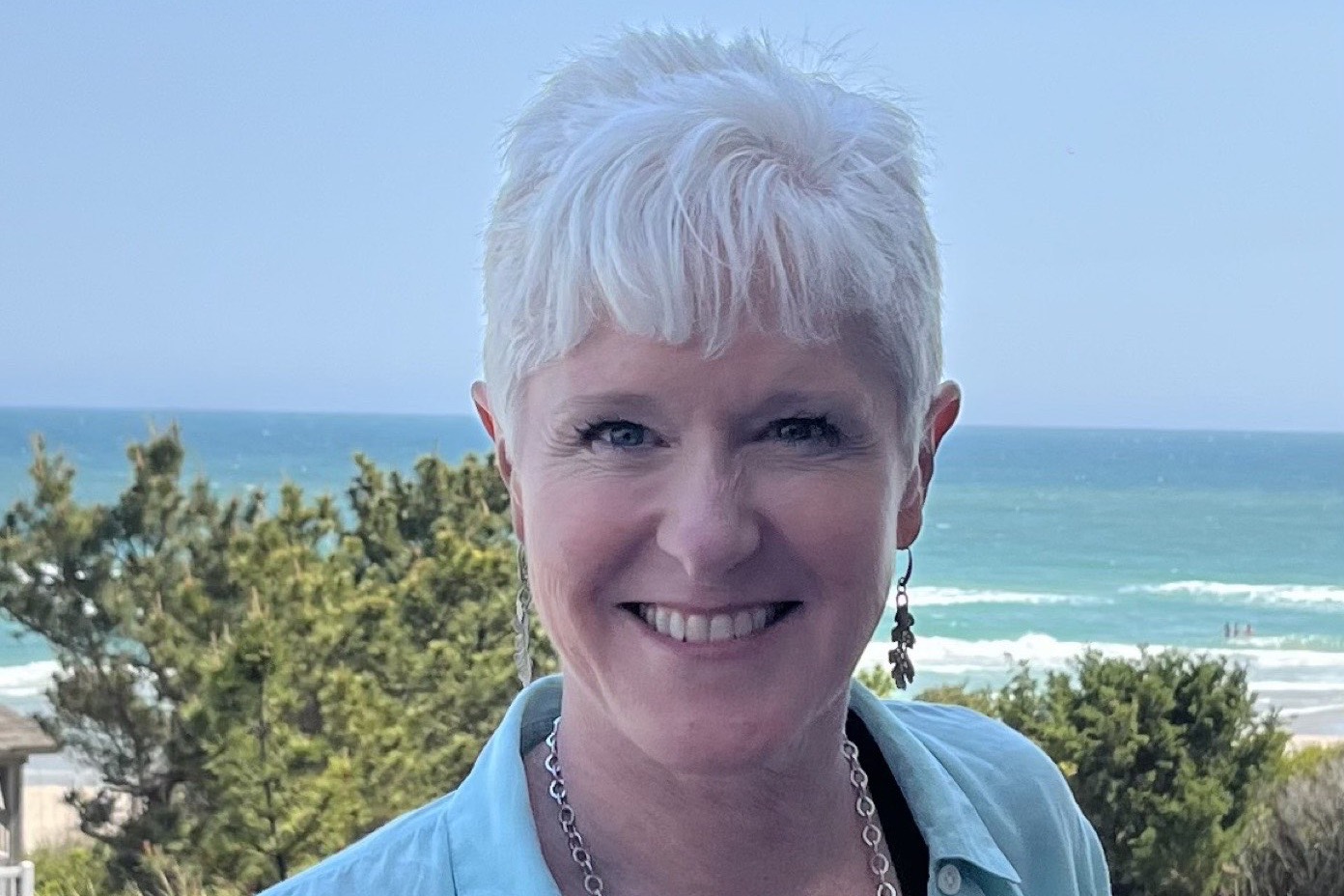
After her son was sent back into a game while concussed, a North Carolina functional medicine physician set out to make head injury care proactive.

Ravulizumab is the first C5 complement inhibitor approved for IgAN, based on a 43.4 percent placebo-adjusted drop in proteinuria at week 34. Whether it slows eGFR decline will not be known until the 106-week data.

INTerpath-001 tests the individualized mRNA therapy intismeran autogene plus pembrolizumab in 1,137 patients with resected stage IIB to IV melanoma. The August topline release gave no hazard ratios; full data come at 10:30 a.m. Eastern on Oct. 24.

Hibsago, approved Oct. 20, is the first antisense oligonucleotide for chronic hepatitis B. In the pooled B-Well trials, 233 of 1,220 treated patients reached functional cure versus none on placebo, and the label carries a boxed warning for hepatic flares and thrombocytopenia.

The 37 recommendations, published Oct. 20, strongly recommend adalimumab, bimekizumab, infliximab and secukinumab for moderate to severe disease. The academy says evidence does not support insurer step therapy, which delays access to treatment.

The FDA approved Zydus's generic on Oct. 19 for women with an intact uterus, for menopausal vasomotor symptoms and osteoporosis prevention. The agency gave no price or launch date, and the brand label still carries the full boxed warning.

An Annals of Internal Medicine model of one U.S. birth cohort, published Oct. 20, projects 19 percent more chronic infections by age 20 if the first dose waits until 2 months and 83 percent more under shared decision-making. The federal change it models is on hold in court.

The Oct. 19 accelerated approval of Jemperli covers stage II or III locally advanced disease and rests on a single-arm trial of 154 patients. Biomarker results on the diagnostic biopsy now decide who is eligible.

In the PELICAN trial of 1,095 high-risk surgical patients, published Oct. 19 in JAMA, the 7-day composite outcome was 44.3 percent with individualized hemodynamic therapy and 46.9 percent with routine care. Deaths by 90 days were higher with the protocol.

Enspryng, approved Oct. 15, is the first subcutaneous thyroid eye disease treatment patients can inject at home. In SatraGO-2, 52.9 percent had a proptosis response versus 23.4 percent with placebo; SatraGO-1 missed its endpoint.

In the 554-patient ICRAKI trial in NEJM, death by day 90 occurred in 63.1 percent of patients started on intermittent hemodialysis and 53.5 percent of those started on continuous therapy. The authors urge caution because the trial stopped early.

In JAMA's VASSPR trial of 3,959 patients, 28-day mortality was 31.8 percent with a lower vasopressin start threshold and 33.0 percent with a higher one. The confidence interval does not exclude a small difference.

CDC reports 9,300 confirmed cases and 4,481 confirmed deaths from Bundibugyo virus as of Oct. 14, with no US cases. The approved Ebola antibodies and vaccine do not cover this species, so recognition and isolation matter most.

NBC News reports 225 hospitalizations and a CDC field epidemiologist headed to the state. CDC counts 4,410 US cases this year, nearly double all of 2025, and Pennsylvania still recommends an early MMR dose for infants in outbreak areas.

UCB's Oct. 16 announcement adds a self-injection device for zilucoplan, with complete dose delivery in 99.8 percent of 449 uses in a 31-patient study. Meningococcal vaccination and REMS enrollment still apply, and launch is expected in early 2027.

The Dexcom-funded CONNECT trial of 283 adults, published Oct. 14 in NEJM, ran 26 weeks with little hypoglycemia. Medicare has not yet decided whether to cover sensors for patients not on insulin.

The Oct. 15 alert names four lots of the system used to deliver the SAPIEN M3 transcatheter mitral valve and cites three reports of balloons bursting during inflation. Facilities are told not to use the lots and to remove them from inventory.

The Oct. 16 approval adds adults with presbyopia to the label of phentolamine ophthalmic solution 0.75%. In the VEGA-3 trial, 27.2% of treated patients reached the primary near-vision endpoint, against 11.5% on placebo.

The Oct. 16 approval covers apraclonidine 0.125% for adults and children 12 and older, at most twice a day. The FDA did not describe the trial data, and the Drug Facts label was not yet posted, so the stop-use rules are what clinicians can act on now.

The society's first Expert Practice Opinion updates its 2009 biopsy guidance, adds endoscopic ultrasound-guided biopsy and sets specimens of more than 1.5 cm. It rests on expert consensus, not GRADE, and sets no INR or platelet cutoff.

The Oct. 13 recall covers argatroban 250 mg/2.5 mL vials shipped nationwide from Dec. 30, 2024, to May 5, 2026. Par reports no adverse events so far but warns of a risk of pulmonary emboli.

In the 780-patient SAVE-ICU trial, published in JAMA on Oct. 14, hospital mortality was 42.5 percent with an isoflurane-based strategy and 43.8 percent with intravenous sedation. All five serious adverse events occurred in the inhaled arm.

In February the FDA removed cardiovascular, breast cancer and probable dementia language from the boxed warning on six menopausal hormone therapy products. Testosterone prescribing in men has rebounded past its 2013 peak. Dr. David Borenstein says both point to the same shift.

In a 584-patient JAMA trial from 39 Chinese hospitals, published Oct. 14, new or worsening acute kidney injury within 7 days fell from 34.7 percent to 22.8 percent when intraoperative dobutamine was added to norepinephrine. Tachycardia was more common.

CDC's latest FluView, for the week ending Oct. 3, shows 3.6 percent of lab specimens positive and 3,334 flu admissions, with the highest activity on the West Coast. Outpatient illness is still below baseline.

A final rule published Oct. 13 lets manufacturers replace some or all added salt in foods such as canned vegetables, canned tuna and cheeses. FDA does not name the substitutes, but potassium chloride is the familiar one.

On Oct. 14 the FDA extended nogapendekin alfa inbakicept-pmln, given with BCG, to high-grade papillary-only non-muscle invasive bladder cancer. The response figures behind it come from a single-arm trial in carcinoma in situ.

In the 52-week NOPARK trial at 11 Norwegian centers, MDS-UPDRS parts I to III rose 2.72 points more with the over-the-counter supplement than with placebo (P = .02). It is the evidence to cite when patients ask about NAD boosters.

The FDA approved camizestrant on Sept. 4 for ESR1 mutations found on circulating tumor DNA before progression, and imlunestrant with abemaciclib on Sept. 18 for ESR1-mutated disease after progression. The evidence differs, and so does when the test is ordered.

Teva said Oct. 9 that FDA approved Weltruza, a once-monthly subcutaneous olanzapine for adults with schizophrenia, with no post-injection monitoring required. All three doses beat placebo at week 8 in SOLARIS, but whether PDSS can occur with it is not known.

An FDA advisory committee meets Oct. 30 on Sydnexis's atropine 0.01% to slow myopia progression in children 3 and older, a year after a complete response letter. Requests to speak are due Oct. 14 and written comments by Oct. 19.

The FDA approved lirafugratinib (Lyrfigtu) on Sept. 23 for previously treated cholangiocarcinoma with an FGFR2 fusion or rearrangement, based on a 116-patient single-arm trial with a 46 percent response rate. No FDA-authorized test exists, so testing is the first step.
FDA's Sept. 1 Drug Safety Communication says serum phosphate was measured in fewer than 20 percent of ferric carboxymaltose administration episodes. The new boxed warning calls for a check before any repeat course within three months.

The Food and Drug Administration approved mavacamten (Camzyos) on Sept. 30 for children with symptomatic obstructive hypertrophic cardiomyopathy who weigh at least 30 kg. The evidence is 44 adolescents and a gradient endpoint, and the boxed warning and REMS apply.

The Food and Drug Administration approved atezolizumab with a fluoropyrimidine and oxaliplatin on Oct. 8 for resected stage III dMMR colon cancer. In ATOMIC, the disease-free survival hazard ratio was 0.50, but overall survival data are still immature.

The Food and Drug Administration approved belzutifan with lenvatinib on Sept. 24 for clear cell RCC after PD-1 or PD-L1 therapy. In LITESPARK-011, median progression-free survival was 14.6 vs 10.6 months against cabozantinib, but final overall survival was not statistically significant.

The FDA approved oral pritelivir (Hovilpri) on Oct. 9 for immunocompromised adults with mucocutaneous HSV lesions refractory to acyclovir-class drugs. In the open-label phase 3 PRIOH-1 trial, 63 percent healed by day 28 versus 34 percent on investigator's choice.

The Center for Drug Evaluation and Research holds a one-hour webinar Oct. 14 on its January draft guidance for Bayesian trials. The guidance is nonbinding, but it sets out how to weigh a prior, a posterior probability and borrowed data.

The oral HER2 inhibitor, added to trastuzumab and pertuzumab after induction, extended median progression-free survival by 8.6 months in HER2CLIMB-05. The label carries a boxed warning for hepatotoxicity.

The oral BTK inhibitor, already approved for chronic spontaneous urticaria, now covers adults whose friction-triggered hives are not controlled by H1 antihistamines.

The FDA has approved the non-covalent BTK inhibitor for adults with previously untreated CLL or SLL without a known 17p deletion. The data come from a trial against chemoimmunotherapy, and the label carries warnings on infections, bleeding and heart rhythm.

The FDA has approved AbbVie's once-daily tavapadon, sold as Juvmo, the first selective D1/D5 receptor agonist for Parkinson's disease. Here is what the TEMPO trials showed and what the label warns about.

Alert fatigue is a design flaw, not a discipline problem. The best early warning systems earn attention by being right when they speak.

Most diagnostic mistakes are not exotic diseases missed. They are common conditions seen through the wrong frame.

Stopping a medication is often harder than starting one. A simple framework for older adults on too many drugs.

Results that return after a patient leaves are one of the quietest gaps in medicine. Closing it takes named ownership, a simple tracking habit, and a clear patient script.

Sign-out is where diagnostic reasoning either travels with the patient or quietly disappears. A few disciplined habits make handoffs carry thinking, not just a list of tasks.

Physicians generally know which tests rarely help. They order them anyway, for reasons that have more to do with defaults, habits, and fear than with knowledge.

Shared decision making is often documented and rarely practiced. A simple structure helps physicians offer real choices without turning every visit into a seminar.

Clinical practice guidelines are indispensable and imperfect. Knowing how to weigh their strength, scope, and fit for the patient in front of you is a core clinical skill.

Imaging reveals more than anyone asked for. How physicians communicate, track, and decide on incidental findings shapes patient anxiety, safety, and the downstream cost of care.

Many visits end without a firm diagnosis. Communicating uncertainty honestly, and giving patients clear return instructions, is one of the most protective things a physician can do.

Relative risk, percentages, and vague adjectives leave patients guessing. A few simple habits turn probability into something a patient can weigh against their own life.

By our count the AMA adopted 15 policies at its Nov. 6-9 meeting, including a bar on licensing AI as a physician and EHR alerts for downcoded claims.

The VA inspector general's 2026 survey found severe physician shortages at 135 of 139 facilities, with radiology, urology and anesthesiology rising most.

CMS awarded $10 billion in Year 2 rural health funds on Nov. 9. Against Year 1, 25 states gained and 25 lost; North Dakota and Florida moved most.

CDC counts 5,182 U.S. measles cases in 2026, 711 more than the prior eight years combined, as PAHO weighs whether the U.S. keeps elimination status.